
A Tree Fell on Your House in Portland? Emergency Repairs, Insurance Documentation, and Choosing a Restoration Contractor
A tree through your Portland roof is more than a roofing problem. It can leave openings for rain, damage framing, break windows, affect electrical systems, and create hidden moisture inside walls or ceilings. Start with safety, then document the damage, notify your insurance company, and arrange temporary protection. Permanent repairs should wait until the structure has been assessed and the scope is clear.
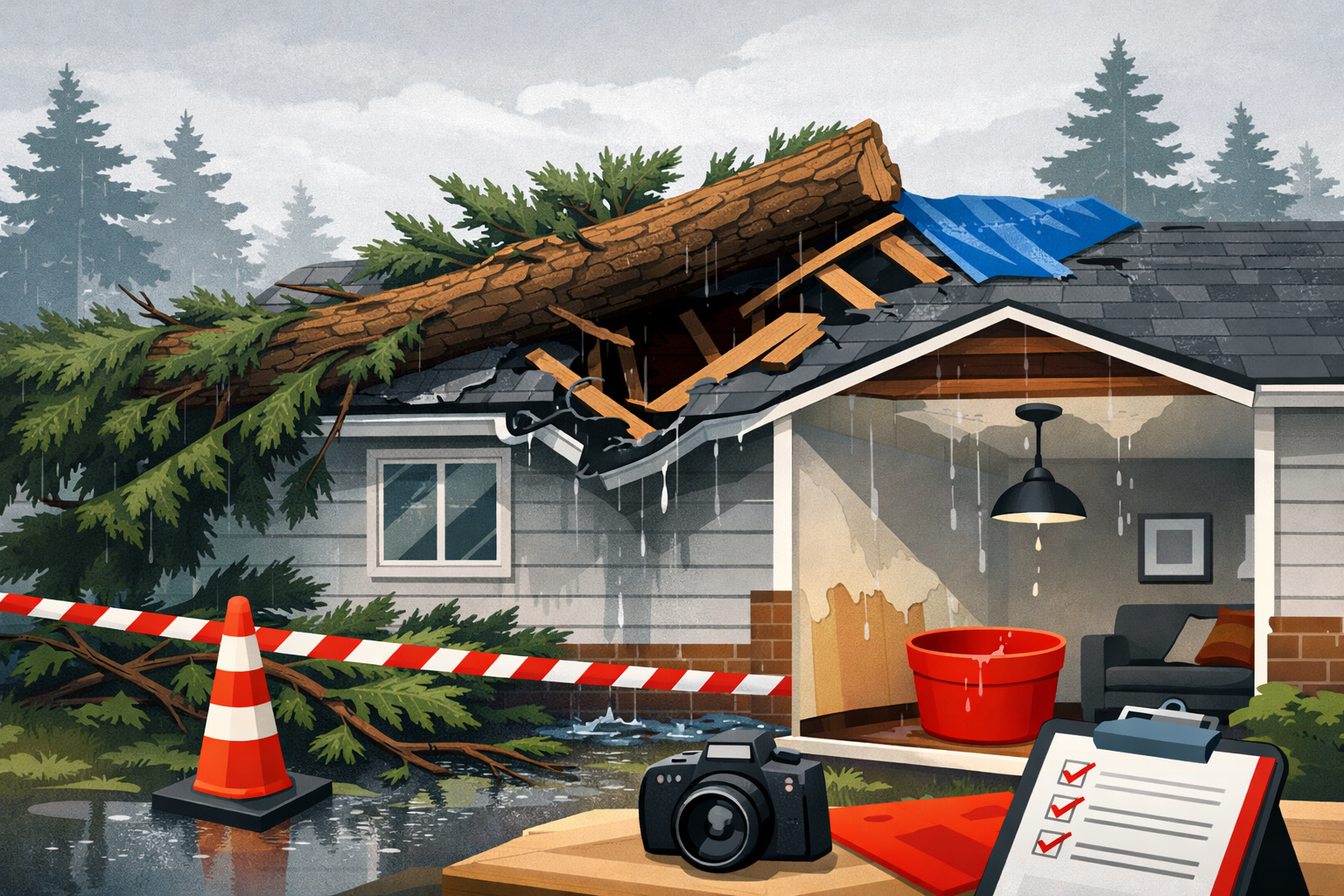
The right restoration contractor can help separate emergency stabilization from reconstruction. Performance Plus Restoration provides storm damage restoration, structural repairs, insurance documentation support, and rebuilding for Portland Metro properties. The practical goal is not simply to remove the tree or cover the hole. It is to make the property safe, limit additional damage, and create a repair plan based on what the home actually needs.
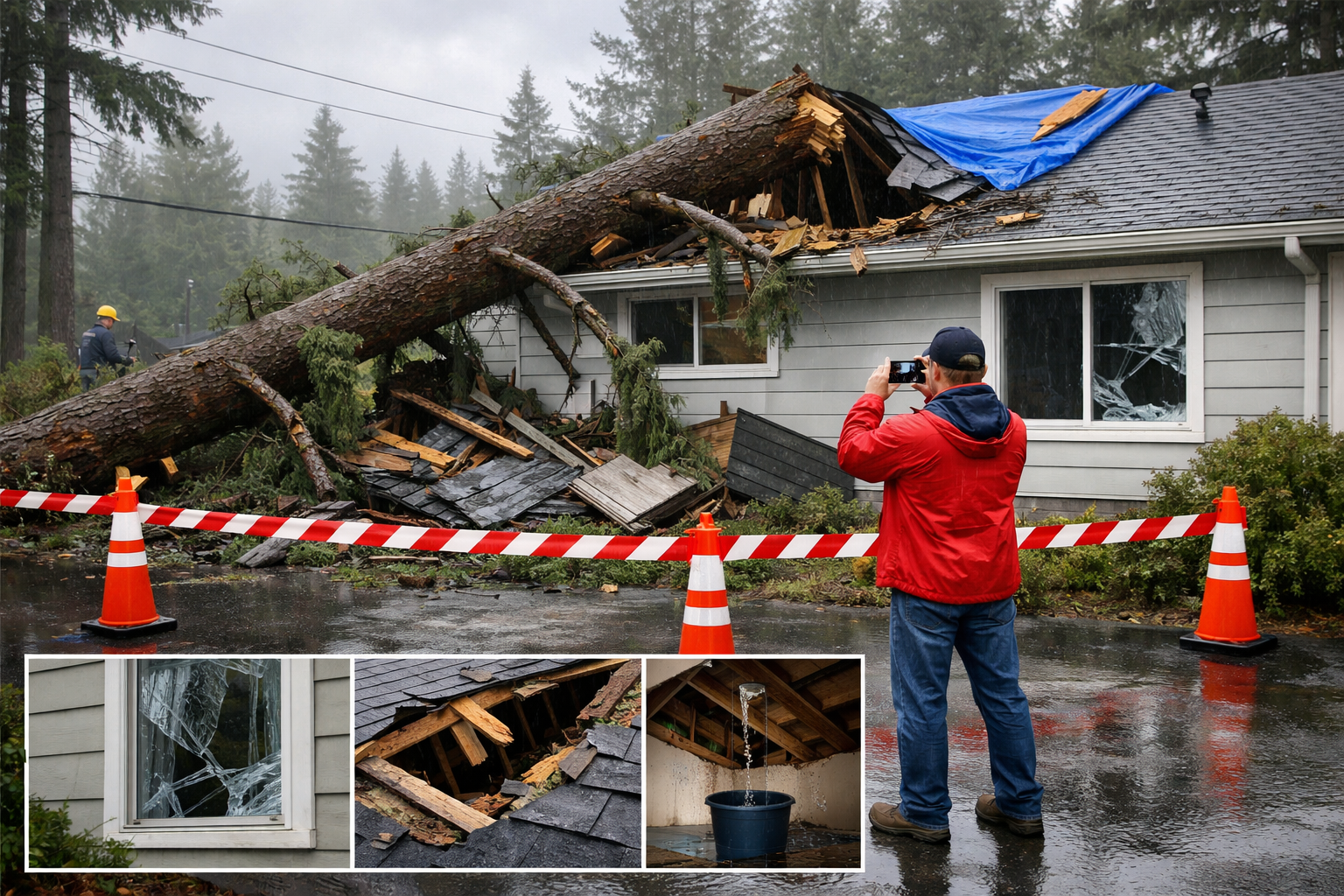
What to Do Immediately After a Tree Hits Your Portland Home
Treat the area as unsafe until it has been checked. A fallen tree can pull on roof framing, damage electrical lines, shift walls, or leave unstable branches overhead. Keep people and pets away from the affected area. If you smell gas, see sparks, notice a downed power line, or believe the structure may collapse, leave the property and contact the appropriate emergency or utility service. Do not walk across a damaged roof or enter rooms with sagging ceilings.
Once immediate hazards are under control, focus on preserving evidence and preventing additional exposure. A restoration team may be able to provide emergency tarping, board-up work, structural bracing, water extraction, or other temporary measures. These steps differ from permanent repairs, and understanding that difference helps you communicate clearly with your insurer and contractor.
Check for hazards before touching anything
Look from a safe location for downed wires, broken gas lines, leaning trees, hanging limbs, cracked masonry, damaged chimneys, and standing water near electrical equipment. Do not operate appliances or switches in wet areas. If the tree is still under tension or resting on the structure, do not cut it yourself. Tree removal may require an arborist or other qualified professional, while utility-related hazards should be handled by the utility provider or emergency responders.
A contractor can assess visible building damage, but an emergency response does not replace a utility inspection or specialized tree removal when those services are needed. Ask who is responsible for each part of the site before work begins. This prevents a dangerous handoff in which everyone assumes someone else has addressed the hazard.
Document the scene before cleanup when possible
Take wide photos that show the tree’s position and the affected sides of the property. Then photograph closer details of roof openings, broken windows, damaged siding, ceilings, floors, furniture, insulation, framing, and visible water. Include temporary protection and any damaged belongings. A short video can show the overall condition, but do not enter an unsafe area just to get better footage.
Write down when the incident occurred, what you observed, and what actions were taken. Save receipts for emergency services, temporary lodging, materials, and other expenses, but do not assume every cost is covered. Your insurance policy controls coverage, deductibles, exclusions, and claim procedures. Preserve damaged materials when it is safe and practical, and ask your insurer before discarding property that may need inspection.
Stop Additional Damage Without Making Permanent Changes
After photos are taken, reasonable temporary protection can reduce rain and wind exposure. This might include tarping, boarding broken openings, removing water from affected areas, or placing containers under active leaks. Do not make major repairs, remove large sections of the roof, or demolish rooms before the damage has been documented and your insurer has provided guidance, unless immediate action is needed for safety.
Keep temporary measures targeted. A tarp may limit rain entry, but it does not prove that framing, insulation, drywall, or electrical components are dry and sound. Moisture can travel beyond the visible opening, especially in a home exposed to Portland’s frequent rainfall. Ask the restoration contractor to explain what was protected, what remains exposed, and what should be inspected next.
How to Handle the Claim and Choose a Repair Contractor
Notify your insurance company promptly and follow the policy’s instructions for reporting a loss. Describe what happened without guessing at the final repair cost or cause. Ask what documentation the adjuster needs, whether an inspection is scheduled, and whether the insurer has requirements for emergency mitigation or contractor estimates. Coverage varies by policy and circumstances, so a restoration contractor can help organize information but cannot promise that a claim will be approved.

For permanent work, compare contractors based on process and scope rather than choosing only the fastest response or lowest initial estimate. A tree impact may involve roofing, framing, siding, windows, insulation, drywall, flooring, electrical work, and moisture control. The contractor should explain how those areas will be inspected and how the repair plan will change if concealed damage is found.
Ask for a scope that separates stabilization from reconstruction
A useful scope identifies emergency services first and permanent repairs second. Temporary work might include tarping, board-up protection, structural bracing, or water extraction. Reconstruction may include tree-impact repairs, roof replacement, framing, insulation, drywall, finishes, siding, windows, or other affected components. The scope should state what was observed, what still needs investigation, and which items depend on insurer approval or further demolition.
Ask whether the contractor will provide dated photographs, moisture readings or drying records when relevant, measurements, material descriptions, and a room-by-room repair list. These details make it easier to compare proposals and discuss differences with the adjuster. Be cautious of a vague promise to “take care of everything” without a written explanation of the work.
Check qualifications, insurance, and project coordination
Before signing a contract, ask for proof of the contractor’s required licensing and insurance for the proposed work. Confirm who will perform specialized tasks such as tree removal, electrical repairs, structural engineering, or roofing. Ask whether subcontractors will be used and who coordinates inspections, permits, materials, and scheduling. A restoration contractor with reconstruction capabilities may be able to manage the transition from emergency protection to structural repair, but the scope should still identify each trade’s responsibilities.
Performance Plus Restoration describes its work as insurance-focused restoration and reconstruction, with structural repair, code-compliant rebuilding, project management, and insurance documentation support. Those services may be useful when a tree impact extends beyond the roof. Still, ask project-specific questions and review the written agreement before authorizing work. Company experience does not remove the need to understand your own scope, price, deductible, and policy requirements.
Compare bids by questions, not just totals
If you obtain more than one proposal, compare whether each contractor inspected the same areas and included the same temporary and permanent work. A lower estimate may leave out hidden damage, permits, finish work, debris handling, or necessary moisture repairs. A higher estimate may include broader replacement or upgrades that you do not need or that your policy may not cover.
Ask each contractor: What damage is confirmed? What is suspected but not yet visible? What will happen if concealed damage is discovered? Which work is emergency stabilization? Which materials are being replaced? Who handles debris and tree-related coordination? How will water entry be controlled before permanent repairs? What payment milestones apply? What is the expected sequence from inspection through final repairs? Clear answers matter more than a polished proposal.
Know when a repair plan needs a second look
Seek clarification if a contractor pressures you to sign immediately, discourages insurance involvement, asks you to approve work without documenting the damage, or cannot explain why major components need replacement. Also pause if the proposal promises guaranteed coverage, requires a large unexplained deposit, or combines emergency work and optional upgrades without separating them.
As a hypothetical example, a Portland homeowner receives one estimate for a new roof only, while another contractor documents damaged rafters, wet insulation, a broken skylight, and interior ceiling staining. The second proposal may be higher because it addresses more of the affected structure. The homeowner should not choose automatically. Instead, they should ask the insurer and both contractors to reconcile the different scopes.
Tree Damage Restoration FAQ
Should I remove the tree before calling my insurance company?
Protect people from immediate danger first, but do not arrange major removal or discard damaged materials without documenting the scene when it is safe. Ask your insurer what evidence and emergency steps it requires. A qualified tree professional may be needed if the tree is unstable or under tension.
Will homeowners insurance cover a tree that falls on my Portland house?
Coverage depends on your policy, the cause of the loss, exclusions, deductibles, and the specific damage. Report the incident promptly and ask your insurer what is covered. Do not rely on a contractor to guarantee coverage.
What photos should I take after a tree hits my home?
Take safe, dated photos of the entire property, the tree’s position, roof and exterior openings, interior damage, damaged belongings, water entry, and temporary protection. Photograph before cleanup when possible, but never enter an unsafe area for better evidence.
Can a restoration contractor handle both emergency work and permanent repairs?
Some restoration contractors provide both stabilization and reconstruction. Ask for a written scope that clearly separates temporary protection from permanent repairs, identifies subcontractors, and explains how concealed damage will be handled.
What should I compare when reviewing restoration estimates?
Compare the areas inspected, emergency services, demolition, drying or moisture control, structural repairs, roofing, finishes, debris handling, permits, payment terms, and exclusions. Ask why estimates differ and whether each proposal addresses the same confirmed and potential damage.
